
Getting rid of an old car, spare parts, or leftover metal can be confusing if you do not know where to go. Both of these recycling hubs help you clear out clutter, but they target completely different types of waste materials.
Choosing between a scrap yard vs junkyard comes down to whether you are selling bulk raw metal by weight or reusable vehicle components. Knowing these differences ensures you get the highest payout and choose the correct location for your specific items.
Scrap Yard vs Junkyard
A scrap yard buys raw metal like copper and aluminum, as well as appliances, to melt down, paying you strictly by total weight. In contrast, a junkyard buys old or wrecked vehicles to sell their individual, functional parts to buyers.
Understanding the difference between junkyard and scrap yard operations helps you choose based on your items and how you want to get paid. Scrap yards pay fluctuating market rates per pound for bulk metal, while junkyards offer flat rates or part-based values for whole vehicles
What Is a Scrap Yard?
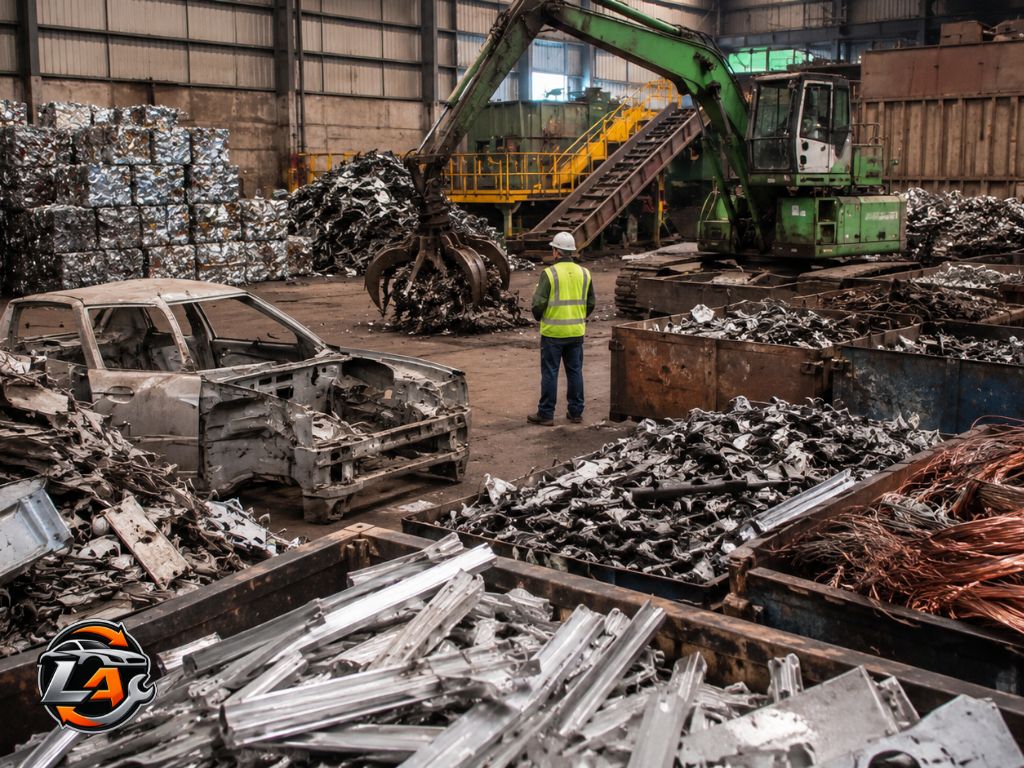
A scrap yard is a metal-focused recycling facility. It buys material by weight and sorts it by metal type: junk cars, old appliances, structural steel, copper wiring, aluminum siding, anything with recoverable metal content. The vehicle itself isn’t the product; the steel, aluminum, and copper inside it are.
Payment runs on a per-pound or per-ton basis, priced against the current scrap metal market for that specific material. Copper, for example, trades at a meaningfully higher rate per pound than steel because it’s more valuable to refiners and more expensive to mine and refine from raw ore. Once purchased, the metal gets baled, shredded, or sorted and sold on to refineries and mills, where it gets melted down and reused in new steel or aluminum production.
What Is a Junkyard?
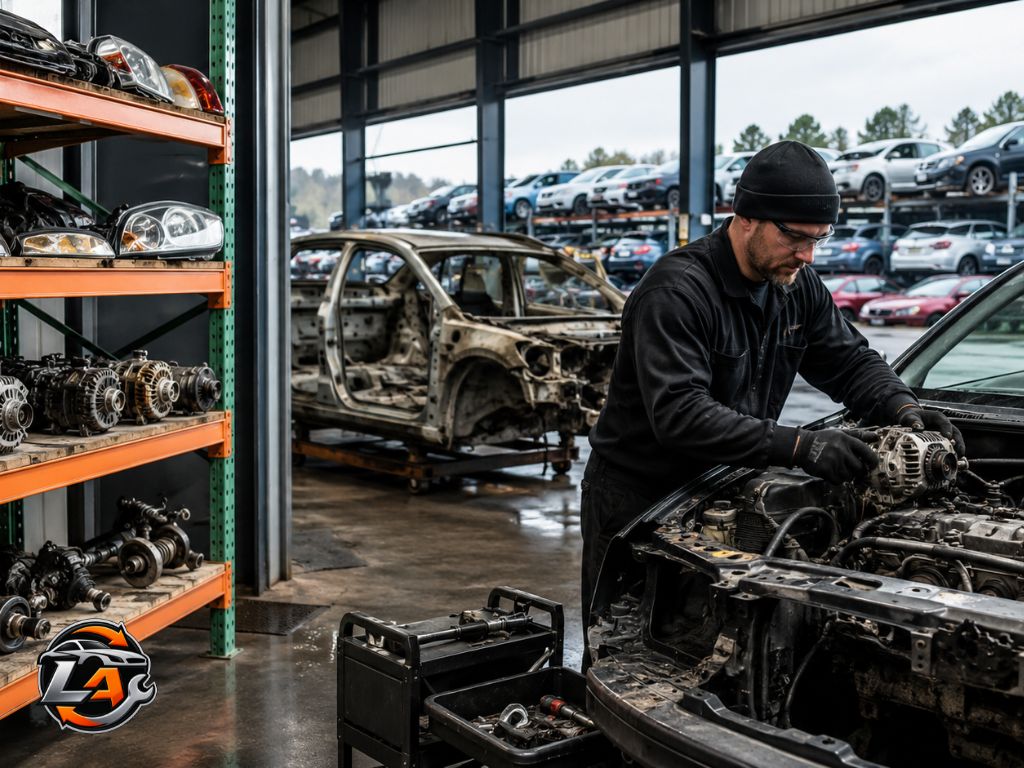
A junkyard is a parts-focused facility. Its business model runs on functional components, not raw material weight. Junkyards accept running and non-running vehicles regardless of condition, then generate value by pulling engines, transmissions, doors, fenders, and other reusable parts before what’s left of the shell goes to a scrap buyer.
Many junkyards run on a hybrid model. Staff pull requested parts for a fee, or the yard operates as a self-pull lot where customers bring their own tools and remove parts directly from the vehicle at a lower price. Either way, the car’s value at a junkyard comes from what can be resold intact, not from what it weighs.
Junkyard vs Scrap Yard – Key Differences
The two business models diverge on what they buy, how they price it, and what happens to the vehicle afterward.
| Category | Scrap Yard | Junkyard |
| Main Focus | Metal recovery and resale | Used parts resale |
| What They Buy | Junk cars, appliances, steel, copper, aluminum | Running and non-running vehicles of any condition |
| Payment Method | Priced per pound/ton by metal type | Priced per vehicle, based on usable parts |
| Typical Customer | Anyone with scrap metal or an unsalvageable vehicle | Buyers seeking used auto parts; sellers of parts-viable cars |
| What Happens to the Vehicle | Shredded/baled and sold to refineries | Dismantled for parts, then the remaining shell goes to scrap |
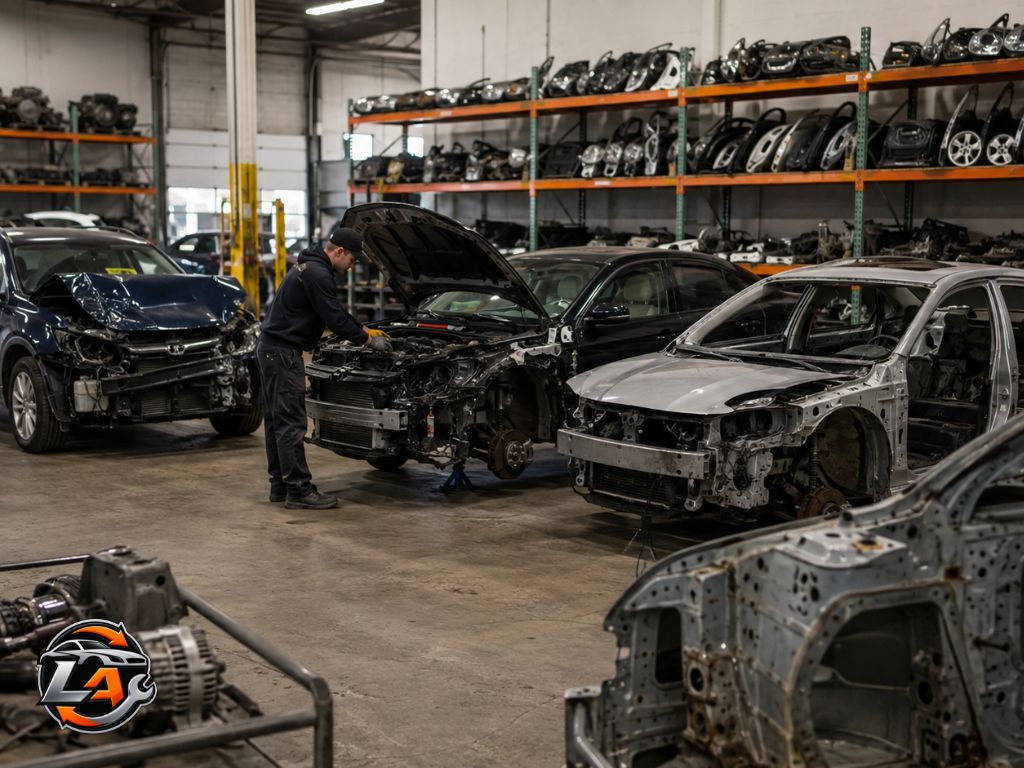
The two overlap more than the table suggests. A junkyard that pulls parts off a vehicle still has a steel shell left over once the usable components are gone, and what happens to a car after it leaves the yard depends on whether its usable parts are salvaged before the remaining shell is processed. Plenty of junkyards run both operations under one roof – parts sales up front, scrap metal sales on the back end.
Junkyard vs Salvage Yard – Are They the Same Thing
Not always, though the terms overlap enough that many businesses use them interchangeably. Where a distinction gets drawn, it usually comes down to selectivity. Salvage yards tend to work more with insurance-declared total-loss vehicles and are more selective about what they take on, sometimes repairing and reselling a whole car rather than breaking it down for parts.
Junkyards, by contrast, generally accept vehicles through any channel, such as private sale, donation, or auction, regardless of how selective that makes the inventory. The line isn’t a formal legal category; it’s industry convention, and it shifts by region. A shop calling itself a “salvage yard” in one state might run an identical operation to a “junkyard” three states over. When in doubt about what a specific business does, the name on the sign tells you less than a direct question about their process.
Scrap Yard vs Junkyard – Environmental Impact
Both facility types reduce the demand for new raw material, just through different mechanisms. A scrap yard keeps steel, aluminum, and copper out of landfills and feeds them back into new production, cutting the raw ore, bauxite, and copper concentrate that would otherwise need to be mined and refined from scratch. Recycled steel production uses roughly 60% to 75% less energy than producing steel from virgin iron ore, a range widely cited across steel industry recycling data.
A junkyard’s environmental role works upstream of manufacturing. Every used engine, alternator, or door panel sold and reinstalled is one fewer newly made parts entering the supply chain. This directly saves the raw materials, energy, and factory emissions required to produce a brand-new component.
Which One You Need Depends on Your Goal
The choice comes down to what you’re selling, not which one happens to be closer, but first consider whether it’s time to get rid of the vehicle at all.
Selling scrap metal or a vehicle with no usable parts left – one that’s been crushed in an accident, rusted through, or stripped already, points to a scrap yard, but knowing what should be removed before scrapping can help you recover additional value before the sale. You’re being paid for weight, and a scrap yard’s metal-market pricing will beat a junkyard’s parts-based offer on a vehicle with nothing left to salvage.
If you’re selling a car with an engine, transmission, or body parts still in working order, or shopping for a used part yourself, you’re looking for a junkyard. A running drivetrain or an intact set of body panels is worth more sold as parts than melted down as scrap.
Not sure which category your vehicle falls into? Call ahead or learn more about how you can get cash for your junk car before deciding where to sell. A quick description of the car’s condition, mileage, and what still works will get you a straight answer faster than guessing and driving to the wrong lot.
Frequently Asked Questions
Is a junkyard the same as a salvage yard?
Often, but not always. Many businesses use the terms interchangeably. Where a distinction exists, salvage yards tend to be more selective and work more often with insurance total-loss vehicles. Junkyards, by contrast, generally accept a wider range of vehicles regardless of source.
Do scrap yards buy complete cars or only metal?
Most scrap yards buy complete junk cars, then process the whole vehicle for its metal content rather than pulling parts first. The vehicle doesn’t need to be broken down before you sell it; the yard handles that.
Can I get more money at a junkyard than a scrap yard?
Depends entirely on the vehicle. A car with a running engine and usable body parts typically nets more at a junkyard, since individual parts sell for more than their equivalent weight in scrap metal. A vehicle with nothing salvageable left will usually get a better offer from a scrap yard.
What happens to a car after it is scrapped?
Fluids get drained and hazardous materials removed first. Any parts still worth pulling get removed. What remains gets crushed or shredded, then sold to a steel or aluminum mill, where it’s melted down and reused in new production.
Do I need paperwork to sell a car to a junkyard or scrap yard?
Most yards require a title in your name, and some require a valid ID matching that title. Requirements vary by state, so confirm what a specific yard needs before you tow the car in.