
When a car is no longer worth fixing, owners often wonder where it actually goes. This transition marks the end of its road. Junking a vehicle usually feels like a mystery once the tow truck pulls away.
It doesn’t disappear. It enters one of the most efficient recycling systems in American industry. Knowing what happens when you junk a car helps you set realistic expectations and avoid paperwork mistakes. This process tracks your vehicle from the tow truck hook to its recycling into a brand-new appliance.
This guide walks through how scrapping a car works, step by step, then covers what you, the owner, need to do once the vehicle is gone.
What Happens When You Junk a Car
Saying goodbye to an old vehicle marks the start of a fascinating recycling journey. According to vehicle scrapping statistics, more than 15 million tons of steel are recovered from automobiles each year, representing roughly 12 million vehicles and highlighting the enormous scale of auto recycling in the country. Here’s a detailed look at how your car is safely dismantled and recycled.
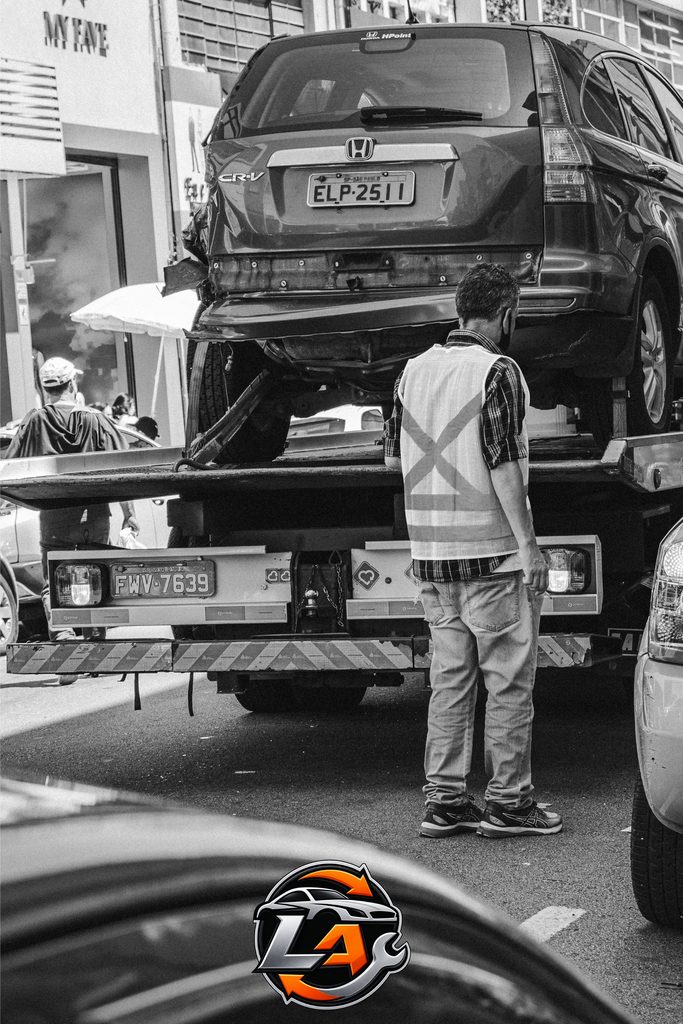
Vehicle pickup or drop-off
Every junked car’s journey begins when it leaves your possession, either by tow or drop-off.
Most owners choose a junk car buyer for the convenience of free, same-day towing directly from their home. This option eliminates the hassle of private listings, stranger visits, and waiting weeks for a buyer. Alternatively, if the yard is nearby, you can drive or haul the vehicle yourself to speed up payment.
First-time sellers are often surprised to learn that a car’s running condition doesn’t matter. Buyers don’t care if the engine turns over; instead, they evaluate the vehicle’s weight in scrap metal and the resale value of its parts. A car with a blown head gasket, failed transmission, or severe flood damage still holds value and is towed the exact same way.
Paperwork and ownership transfer
The legal handoff happens through the title, and it is the most critical step in the entire process. More sales fall apart over paperwork than price.
Signing the title over legally transfers ownership. Until that happens, you remain legally responsible for the car, which is why reputable buyers insist on a signed title at pickup. If you lost the title, you must apply for a duplicate through your DMV for a small fee before selling. Always keep a copy of the bill of sale as a paper trail to protect yourself against future tickets or liability issues.
Fluid draining and hazardous material removal
Before any dismantling begins, licensed facilities drain and remove everything that could pollute soil, contaminate groundwater, or ignite during crushing. This step is done under state and federal environmental regulations, not informally, and not by unlicensed operators.
Fluids removed at this stage include:
- Engine oil
- Coolant (antifreeze)
- Brake fluid
- Transmission fluid
- Gasoline
Alongside fluids, technicians pull other hazardous components, like battery acid, mercury switches (found in older convenience lighting and anti-lock brake systems), airbags (which contain explosive propellant), and Freon from the air conditioning system.
This all happens before crushing for two reasons – environmental compliance and fire risk. A car crushed with a full gas tank or an undischarged airbag is a hazard to the workers and equipment doing the crushing.
Removal of usable parts
Once the vehicle is safe to work on, technicians strip it for components with resale value. This step is where the yard recoups the largest share of its initial investment.
Technicians harvest parts in a strategic order based on demand and accessibility. They pull the battery, tires, alternator, and starter first. They then remove the catalytic converter, engine, and transmission, followed by body components like doors, mirrors, wheels, and electronics.
Yards separate parts into two distinct streams based on their condition. Good components, like a working alternator, are sold immediately as-is. Worn parts, like a cracked alloy wheel, go to material recycling to become raw scrap metal.
Self-service “pull-a-part” yards use a slight variation of this model. Instead of using in-house mechanics, they let customers remove their own parts for a lower price. The core outcome remains identical – usable pieces are harvested before the remaining shell goes to the crusher.
Vehicle component and what happens to it
| Component | What Happens to It |
| Battery | Resold or recycled for lead and acid |
| Tires | Resold if usable; otherwise recycled into rubber mulch or asphalt additive |
| Catalytic converter | Sold for precious metal recovery – platinum, palladium, rhodium |
| Engine/Transmission | Resold as-is, rebuilt, or scrapped for metal if damaged |
| Alternator/Starter | Resold to rebuilders or repair shops |
| Wheels/Rims | Resold if intact; melted down for aluminum or steel if not |
| Glass (windshield, windows) | Recycled into fiberglass insulation or new glass products |
| Wiring harness | Stripped for copper, which is recycled separately |
| Body panels (steel/aluminum) | Sent to the shredder for metal recovery |
| Plastic bumpers/trim | Recycled into new plastic components where facilities support it |
Crushing the vehicle
With fluids drained, hazardous materials removed, and resalable parts stripped, what’s left is a bare shell with no engine, no battery, no glass in some cases, just the steel and aluminum frame and body.
That shell goes into a hydraulic crusher, which flattens it in a matter of seconds. A stripped sedan or midsize SUV typically comes out of the crusher at roughly 12 to 18 inches high. This compact size depends on the machine and the vehicle’s original dimensions. The flattened cars are dense enough to stack multiple units on a single flatbed for transport to a shredding facility.
Crushing happens after parts and fluids are removed, never before, for a simple reason – once a car is flattened, it’s no longer possible to pull an intact engine, door, or wiring harness out of it. Crushing early would destroy resale value the yard is counting on to recoup its purchase cost.
Shredding and metal separation
Flattened shells are trucked to a shredding facility, where the real transformation happens.
Industrial shredders, or machines powerful enough to process a car into fist-sized pieces in under a minute, tear the crushed block apart. What comes out the other end isn’t a “car” in any recognizable sense; it’s a stream of mixed metal fragments.
That stream then goes through magnetic separation. Powerful magnets pull out ferrous metals like steel and iron. This leaves non-ferrous metals like aluminum, copper, and brass behind for separate recovery. Operators often use eddy current separators that repel these non-magnetic metals into their own distinct stream.
Whatever remains after both ferrous and non-ferrous metals are removed is called automotive shredder residue (ASR). This material consists of a mix of foam, plastic, rubber, and glass fragments. Some of this residue is further sorted for plastic and rubber recycling; the remainder, which currently has no cost-effective recycling pathway, is disposed of according to state waste regulations. Reducing ASR volume is one of the auto recycling industry’s ongoing engineering challenges.
Where the scrap metal ends up
Separated steel and aluminum leave the shredding facility to enter the industrial supply chain. Shredded steel is sold to scrap processors who bundle and grade the metal. They then sell it to steel mills that melt the material in electric arc furnaces. These furnaces are built specifically to run on recycled scrap rather than raw iron ore.
Recycled scrap feeds roughly 70% of U.S. steel production. Automobiles are the largest single source of obsolete ferrous scrap, with more than 14 million tons of steel recovered from end-of-life vehicles each year. Cars are also among the most recycled consumer products in the United States, with the steel recycling rate for automobiles approaching 100% annually.
This recycled metal quickly transforms into new consumer goods and infrastructure. The metal from a junked sedan can plausibly end up as part of a refrigerator, a highway guardrail, or the frame of a brand-new car within the same year.
What to Do After Scrapping a Car
While everything above covers what happens when you junk a car from a mechanical standpoint, this section covers what happens to you. Managing the paperwork and final cleanup is what protects your wallet and your legal liability after the vehicle is gone.
Cancel registration and insurance
Once the title is signed over, notify your state DMV that you no longer own the vehicle. Many states require this as a separate step from the title transfer itself, sometimes called a “notice of transfer” or “release of liability”. Skipping it can leave the vehicle listed under your name for registration renewal notices, or worse, parking and toll violations.
At the same time, cancel or adjust your auto insurance policy for that vehicle. Insuring a car you no longer own is a wasted expense, and some insurers will refund a prorated amount for the unused portion of your policy.
If your state requires it, remove the license plates before the tow truck arrives. In many states, plates stay with the owner, not the vehicle, and must be returned to the DMV or transferred to a replacement car.
Keep proof of the sale
Always keep the bill of sale or release of liability after the sale is complete. This document is your official paper trail if the vehicle’s VIN ever resurfaces. It protects you against mistakenly issued traffic tickets, toll charges, or registration mix-ups. Most professionals recommend keeping this paperwork for at least five years, matching the general record-retention window many states use for vehicle-related disputes.

Frequently Asked Questions
How long does it take to junk a car?
Most junk car sales are completed within 24 to 48 hours from the first phone call. Same-day pickup is common once you accept an offer and have the title ready.
Do I get money for junking my car?
Yes. Junk car buyers pay based on the vehicle’s weight, the resale value of usable parts, and current scrap metal prices, regardless of whether the car runs.
What parts of a junk car get reused?
Batteries, tires, alternators, starters, catalytic converters, engines, and transmissions are the most commonly resold components. Everything else is generally recycled for raw material.
Can I junk a car without a title?
Junking a car without a title depends on the state and the buyer. Some states allow a notarized affidavit or a DMV-issued bonded title as a substitute; others require a replacement title before any sale can proceed. Check with your state DMV before assuming a title-less sale will work.
Is junking a car better than donating it?
It depends on your goal. Junking typically pays you directly and immediately. Donating provides a potential tax deduction instead of cash, and the deduction amount depends on what the charity actually sells the vehicle for. If cash now is the priority, junking usually wins.